

Date:
02/05/2025

 CONSUMER DECISIONS
Social media is a powerful tool for businesses in Ghana, across Africa, and around the world. It helps brands connect with customers, build loyalty, and drive sales. However, let me say it can make or break your business. In other words, it also opens the door to public feedback both positive and negative. For small businesses and startups, negative social media comments can feel overwhelming.
Sometimes, you might be tempted to delete or ignore them, but that isn’t a good idea. In fact, with the right approach, you can often tweak these bad comments into a win for your brand. These moments, if handled well, can become opportunities for growth and stronger customer relationships.

Negative comments on social media are inevitable. With over five billion people using social platforms worldwide, any business can become the target of criticism or complaints. While it’s tempting to ignore or delete these comments, doing so can damage your brand’s reputation and erode trust. Responding thoughtfully shows you value feedback and are committed to customer satisfaction.
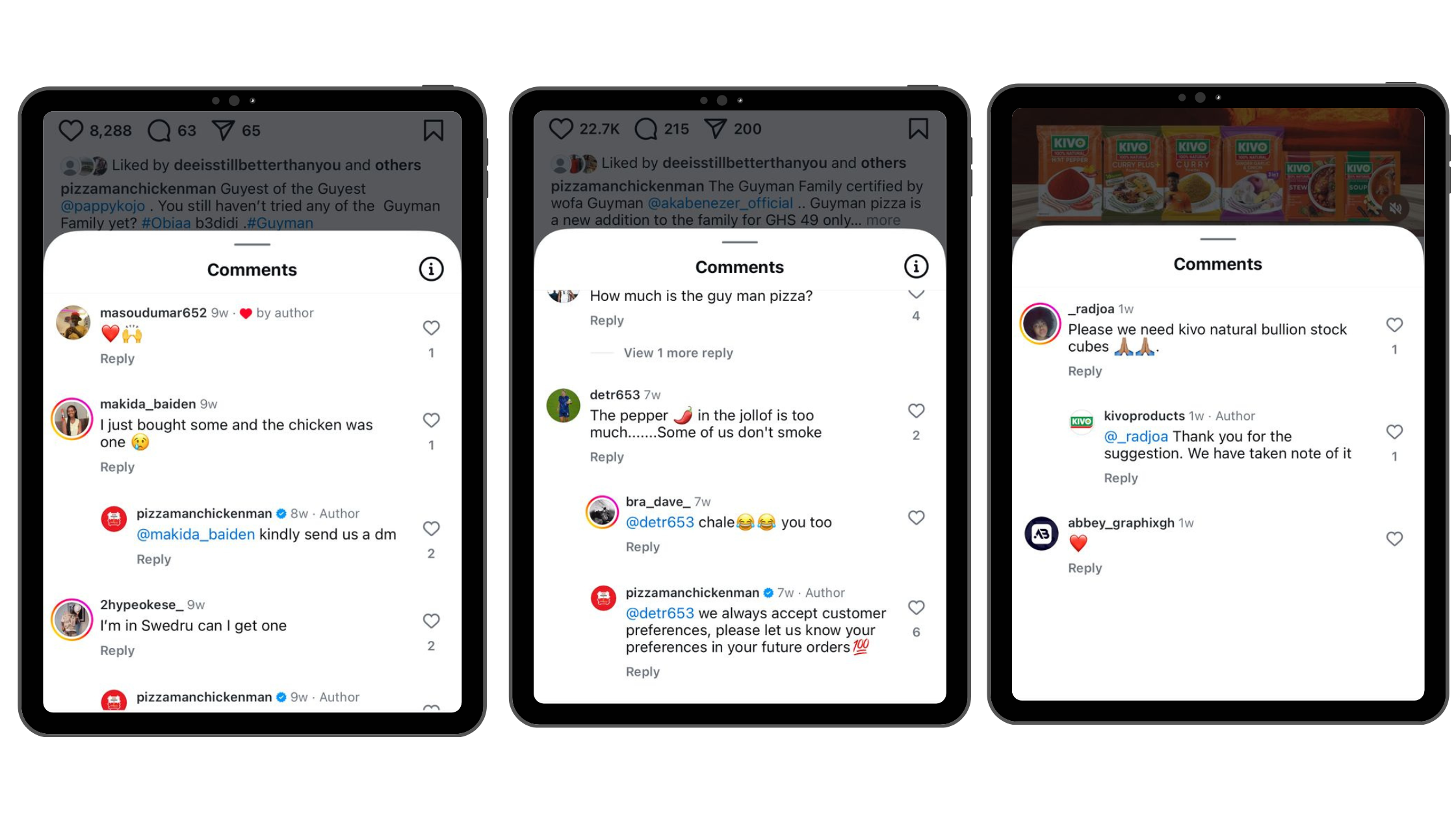
For example, a Ghanaian restaurant, Pizzaman Chickenman, once received a complaint on Instagram from a customer who received only one piece of chicken in her order. The business responded publicly and asked her to kindly send them a DM. This not only resolved the issue but also earned them positive reviews and repeat customers.
Understanding the kinds of negative comments you might encounter is the first step in handling them effectively. Here are the most common types:
These trusted guides offer more real-world tips on dealing with online criticism effectively.
Being able to identify the type of comment helps you choose the best response strategy.
Negative comments, especially if unanswered, can have significant consequences:
However, responding well can actually improve your brand perception and increase customer advocacy by up to 25%, because customers need to feel valued and heard.
Ignoring negative comments can make customers feel neglected and escalate the situation. Always acknowledge feedback, even if it’s uncomfortable.
Timeliness matters. Responding within a few hours or at least the same day-shows you care and helps de-escalate the issue before it spreads.
No matter how harsh the comment, remain calm and courteous because the customer is always right. Avoid arguing or becoming defensive. For example, if a customer writes, “Your delivery service is terrible,” reply with, “Thank you for your feedback. We’re sorry for the inconvenience and are working to improve our delivery times.”
Show empathy, apologize sincerely, and provide a practical solution. For instance, a Ghanaian clothing brand (Jeans on the Low) receiving a complaint about a wrong order might say:
“We’re truly sorry about the wrong order. Our rider will come for it, and the in and out transportation cost is on us. Sorry for the inconvenience.”
If the issue is complex or involves sensitive information, invite the customer to continue the discussion via direct message (DM), email, or phone. This keeps personal details private and shows you’re serious about resolving the issue.
Screenshot and document negative comments, especially if they involve serious allegations or threats. This helps with follow-up and protects your business if legal action is needed.
For comments that are clearly trolling or malicious, respond once politely if needed, then disengage. Consider hiding or deleting comments that violate your community guidelines, but only after careful consideration.
Set Clear Social Media Policies: Establish guidelines for responding to different types of comments and train your team accordingly.
Monitor Comments Regularly: Use social media management tools to track mentions and respond promptly.
Learn from Feedback: Treat negative comments as valuable insights. Are there recurring issues? Use these insights to make your products or services even better.
Celebrate Positive Outcomes: When you resolve a complaint, thank the customer publicly (if appropriate) and share positive updates.
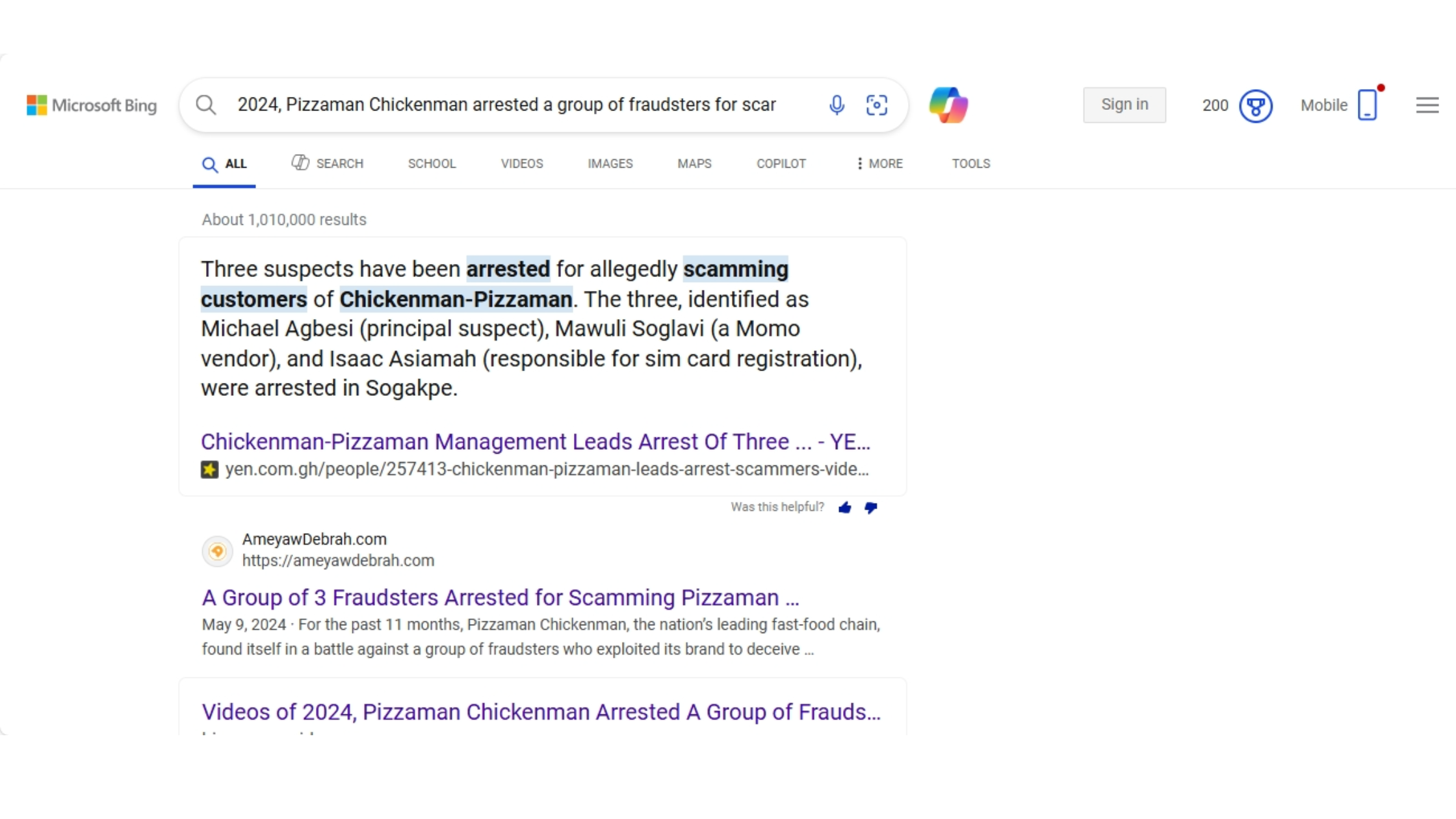
Pizzaman Chickenman Ghana: In 2024, Pizzaman Chickenman arrested a group of fraudsters for scamming their clients using fake business profiles on Google. Initially, many customers thought the company was behind the scam, as complaints kept coming in. However, once Pizzaman Chickenman took action, customers updated their reviews, praising the company’s smart and swift investigation. This turned a negative situation into positive word-of-mouth.
Safaricom Kenya: Safaricom, a major telecom provider in Kenya, actively responds to customer complaints on social media within hours. Their public responses often include apologies and instructions for resolving the issue offline, which helps maintain customer trust despite occasional service disruptions.
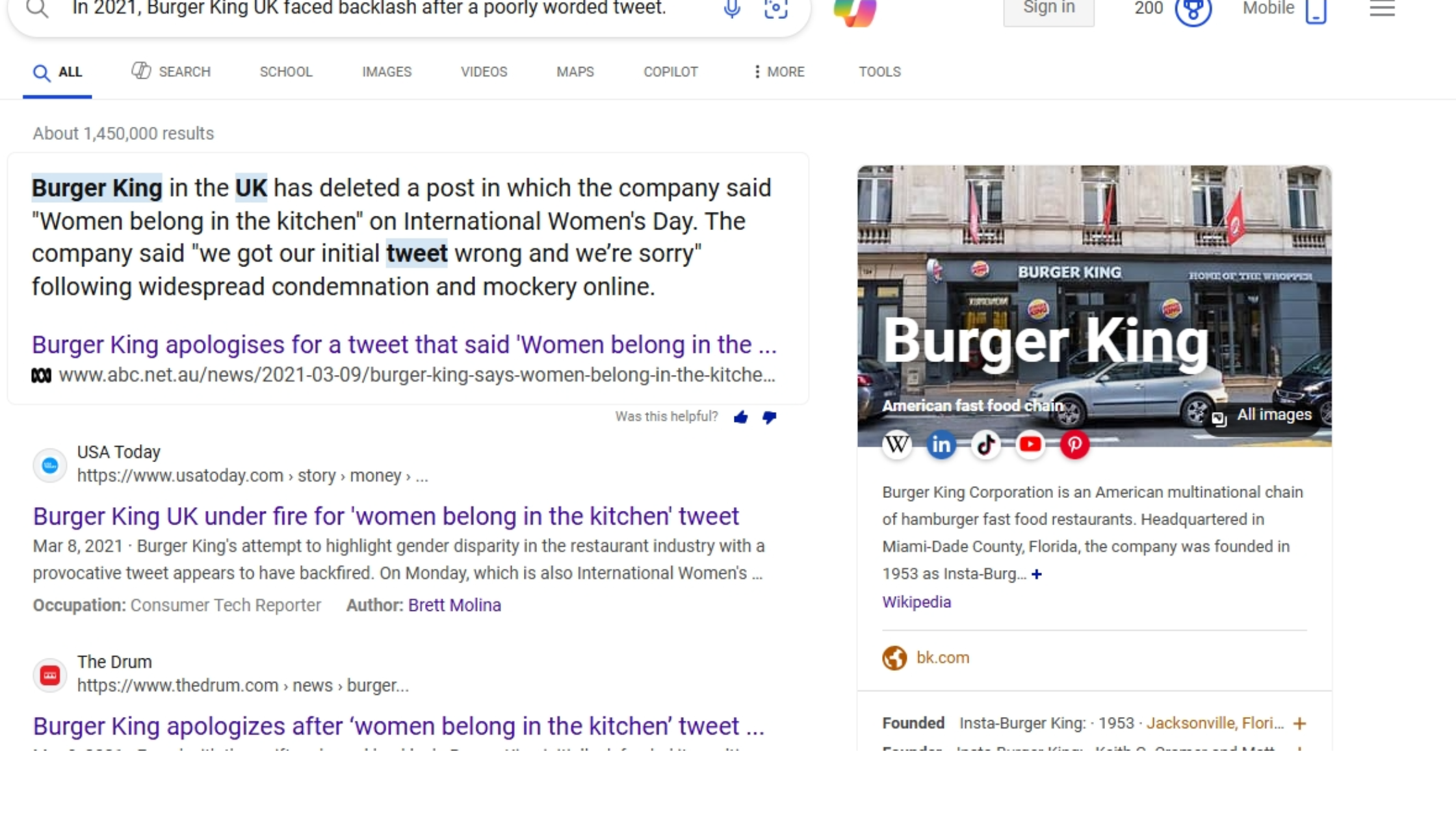
Burger King UK: In 2021, Burger King UK faced backlash after a poorly worded tweet. Instead of ignoring the criticism, they acknowledged the mistake, apologized, and explained their intentions. This helped rebuild trust and demonstrated accountability.
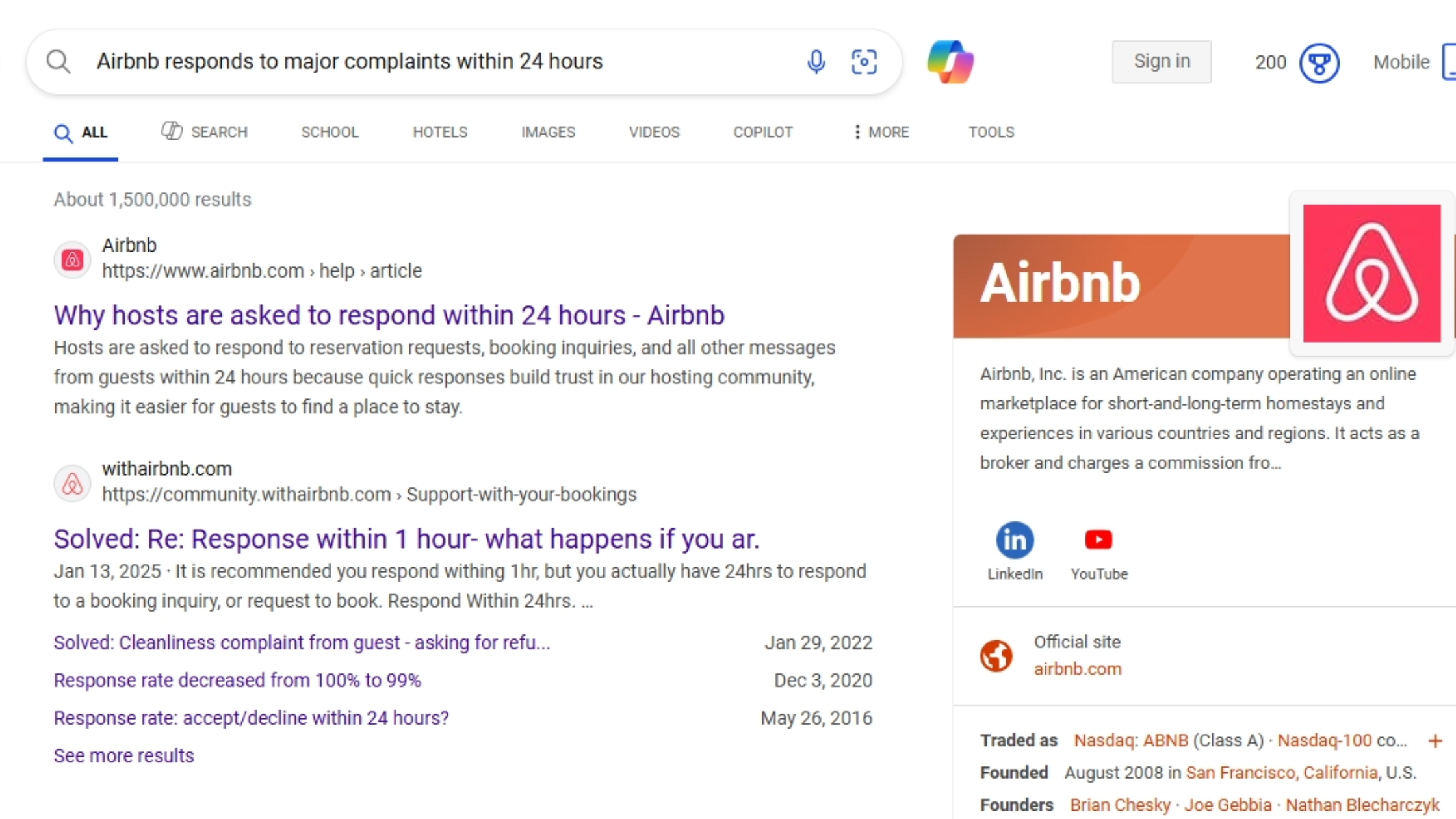
Airbnb: Airbnb responds to major complaints within 24 hours, acknowledges inconvenience, and moves the conversation to private messages for resolution. This approach helps defuse public negativity and shows commitment to customer service.
Although receiving negative comments can be challenging, they can reveal useful information. They highlight areas where your business can improve and show customers you’re listening. By handling criticism professionally, you can:
Sometimes, managing social media and online reputation can feel like a lot to handle, especially as your business grows. For Ghanaian small businesses and startups looking for expert support in managing their social media-including responding to negative comments, creating engaging content, and building a strong online reputation –Cradle Premier Network offers tailored digital marketing solutions designed to help you grow with confidence.
👉 A good digital marketing strategy includes guidelines for handling negative comments.
Negative social media comments are not setbacks-they are steppingstones to growth. When you respond with empathy, professionalism, and a willingness to improve, you show your customers that your business truly cares. Embrace feedback as a gift that helps you refine your products, strengthen relationships, and build a brand that lasts. Remember, every challenge is an opportunity in disguise-use it to rise, learn, and thrive.