

Date:
16/06/2025

 CONSUMER DECISIONS
Picture this: a bustling market in Accra. You’re a local food vendor wondering how to get email lists for marketing your delicious jollof rice effectively. Flyers and word of mouth help but only go so far. In 2025, email marketing is your secret weapon. It’s direct, personal, and incredibly effective—even in a world full of social media noise. This guide shows small and medium businesses (SMBs) in Ghana and emerging markets exactly how to build email lists for marketing the right way.
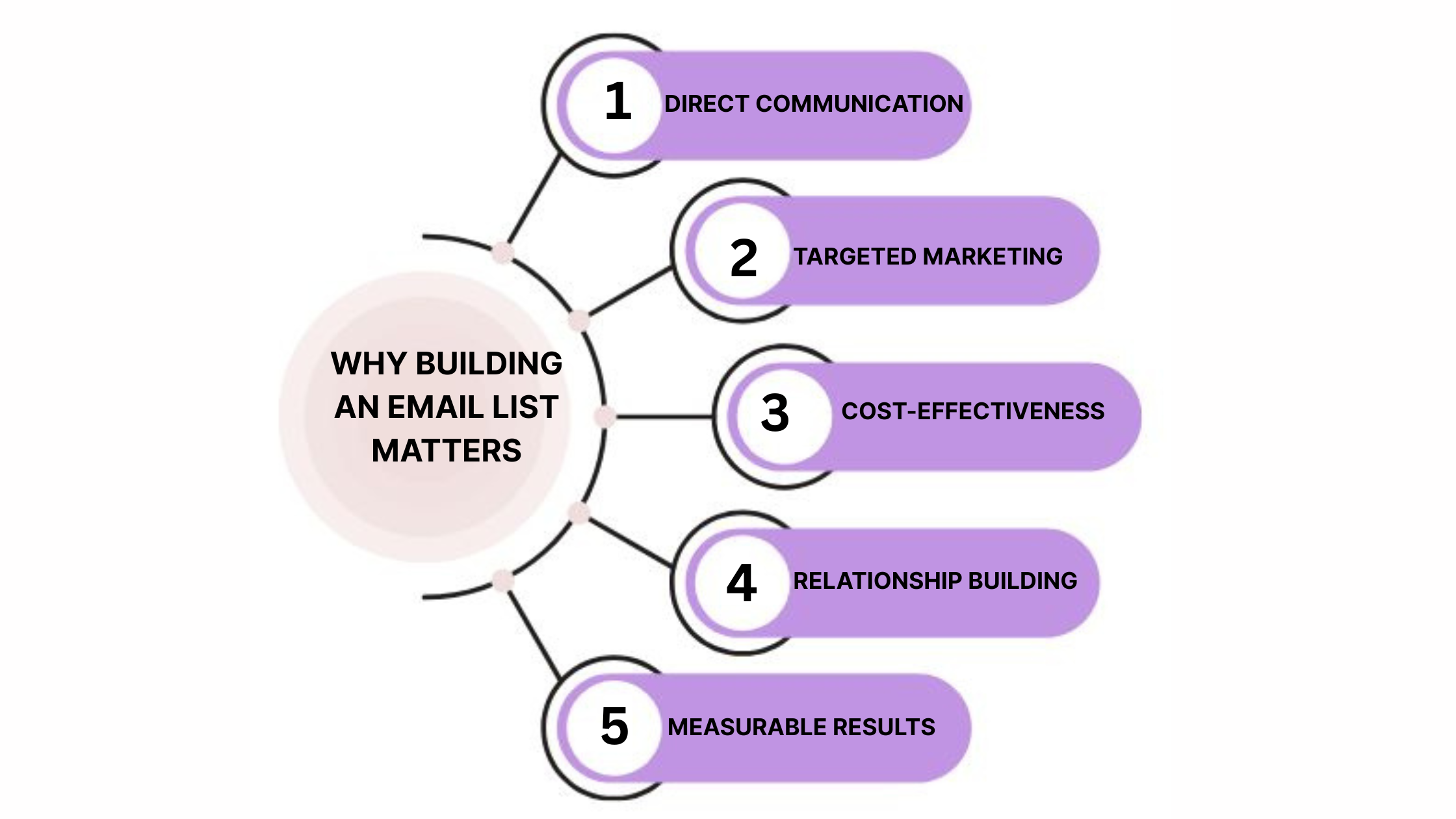
In 2025, with increasing digital noise, cutting through the clutter is crucial. Here’s why building an email list remains essential:
Think of a local boutique in Kumasi. By collecting email addresses, they can announce new stock arrivals, offer exclusive discounts to subscribers, and gather feedback on styles their customers want—building a loyal customer base. Email gives you control over the conversation, unlike relying solely on social media platforms where reach can be unpredictable.
Before diving in, it’s essential to understand the legal and ethical aspects of email marketing. Compliance is crucial for maintaining trust and avoiding penalties.
Ghana is strengthening data protection regulations, aligning with global standards like the GDPR. These laws require businesses to handle customer data responsibly and protect privacy. Familiarize yourself with Ghana’s Data Protection Act, which governs how personal data should be collected, stored, and used.
Make sure to get clear and explicit permission from individuals before adding their email addresses to your marketing list. Use double opt-in (where subscribers confirm their subscription via email) for extra assurance. Avoid purchased lists—they’re often outdated and can harm your sender reputation, leading to emails being marked as spam or blocked by email providers.
Clearly state how you will use the email addresses and provide a privacy policy on your website. Being transparent about your data practices builds trust and encourages more people to subscribe.
Every email must include a clear and easy-to-find unsubscribe link. Honor unsubscribes requests promptly to comply with regulations and maintain goodwill.
Example: If you run a local tech store, you might say, “We use your email to send you updates on new gadgets and exclusive offers. You can unsubscribe anytime.”
Create something irresistible that solves a problem for your target audience, then offer it in exchange for their email address.
Example: A local tailoring shop might offer a free style guide on “How to Choose the Perfect Fabric for Ghana’s Climate.” Customers interested in fashion would gladly subscribe to get this useful resource.
Lead magnets can also include checklists, templates, or discount codes. For example, a small electronics retailer could offer a 10% discount on the first purchase for new email subscribers.
Host contests or giveaways requiring email addresses for entry. Promote these events on social media, your website, and in your physical store.
Example: A popular Accra bakery could run a giveaway for a free cake on special occasions, asking participants to subscribe via email to enter. This not only grows your list but also increases engagement and brand awareness.
Implement exit-intent, timed, or scroll-triggered pop-ups to capture visitor emails without being intrusive.
Example: An online grocery store could display a pop-up offering 5% off the first order if visitors subscribe before leaving the site. Testing different pop-up types helps find the right balance between conversions and user experience.
Offer exclusive content such as webinars, reports, or case studies in exchange for email addresses. This demonstrates your expertise and provides valuable information to your audience.
Example: A local agricultural supplier might host a webinar on “Best Practices for Maize Farming in Ghana” and require registration with an email address. Similarly, a real estate agency could offer a free report on “Top Investment Opportunities in Accra.”
Use your social media channels to promote your lead magnets, contests, and gated content. Encourage followers to subscribe to your email list for exclusive offers and updates.
Platforms like Facebook, Instagram, and TikTok are widely used in Ghana and can be powerful channels to direct traffic to your email sign-up forms.
If you have a physical location or attend markets and trade fairs, collect email addresses with consent using tablets or sign-up sheets. Clearly explain the benefits of subscribing to encourage sign-ups.
For example, a local crafts vendor at a Kumasi market could ask customers to subscribe for exclusive discounts and updates on new products.
Collaborate with non-competing businesses to co-host events or giveaways, sharing email lists ethically with consent. Partnerships expand your reach and add credibility.
For instance, a fitness center and a health food store could jointly offer a wellness webinar, exchanging email contacts from interested attendees.
For more detailed strategies and insights on building a high-converting email list, check out this comprehensive guide from WordStream on how to build an email list effectively.
Several affordable platforms cater to SMBs in Ghana:
Choose a tool that supports double opt-in, segmentation, analytics, and easy unsubscribe options to ensure compliance and effectiveness.
Email marketing remains a powerful and cost-effective way to grow your business in Ghana and emerging markets. By following ethical practices and legal requirements, you build trust and long-term relationships with your customers.
Remember these key points:
Start small, be consistent, and watch your email list become one of your most valuable marketing assets.
Ready to start using that list effectively? Read our full guide on how to market through email to learn how to craft engaging campaigns, boost open rates, and turn subscribers into loyal customers.