

Date:
05/05/2025

 CONSUMER DECISIONS
Learning how to market through email remains one of the most effective and affordable ways for small businesses and marketers in Ghana to reach their customers directly. One interesting thing about email marketing is that it’s fast, convenient, and cost-effective—making it a favorite among businesses globally.
Whether you’re new to email marketing or looking to improve your current campaigns, understanding how to market through email can significantly boost your brand visibility, customer engagement, and sales.
In 2023, the number of global email users reached 4.37 billion and is projected to grow to 4.89 billion by 2027 (source). Imagine the potential of incorporating email into your marketing strategy.
In this guide, we’ll explain how email marketing works, walk you through how to create marketing emails that convert, explore email marketing strategies for B2B and B2C audiences, and share tips on how to sell products through email. We’ll also introduce popular tools used to create email messages and highlight common mistakes to avoid. Let’s dive in.
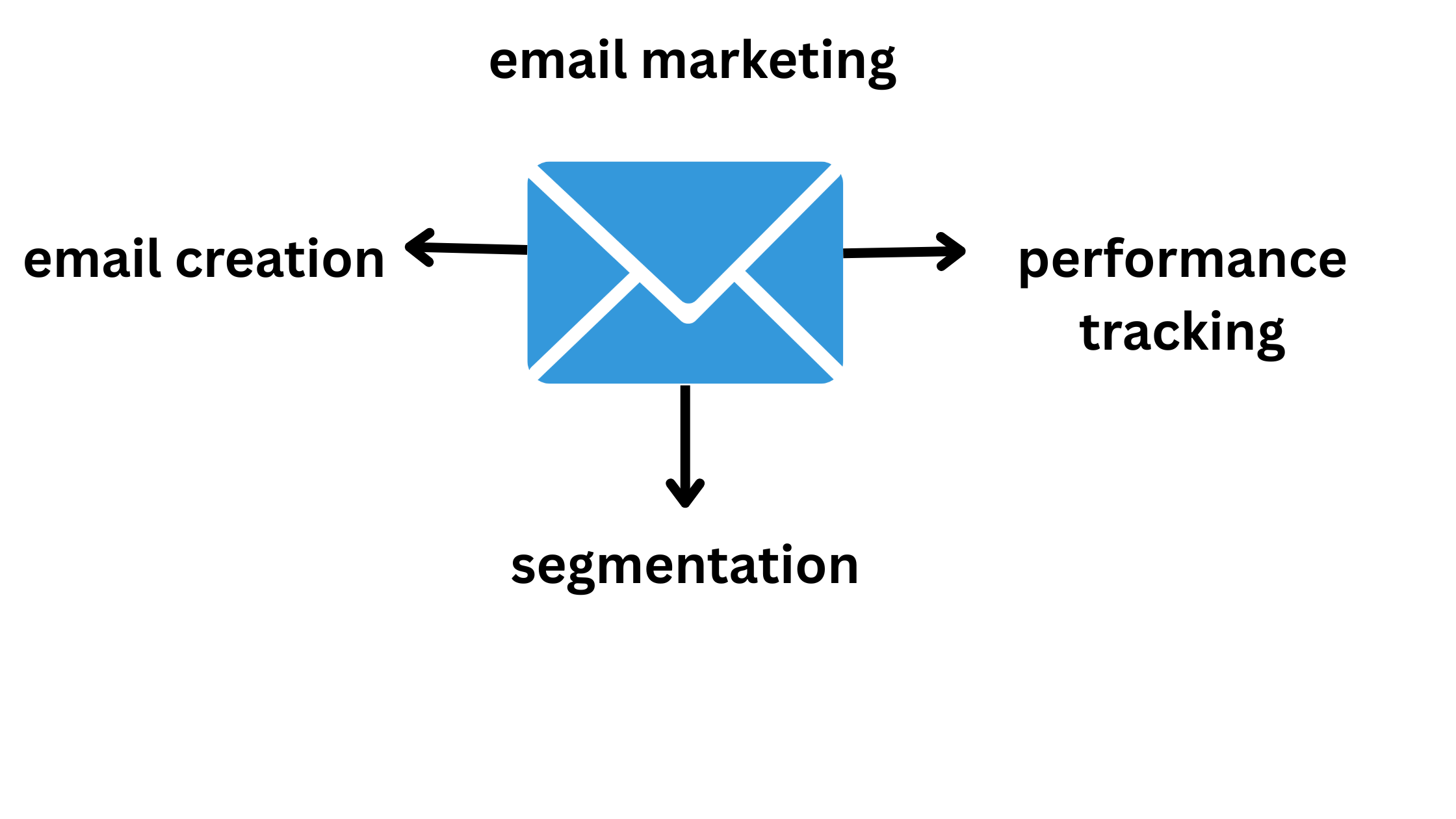
Email marketing is the process of sending promotional or informational messages via email to a group of subscribers who have opted in to receive communications from your business. This guide by Adobe offers a deeper dive into email marketing basics. Unlike social media posts or ads, emails land directly in your customer’s inbox—offering a personal and direct line of communication.
Here’s how email marketing typically works:
This approach builds trust, nurtures relationships, and boosts sales over time.
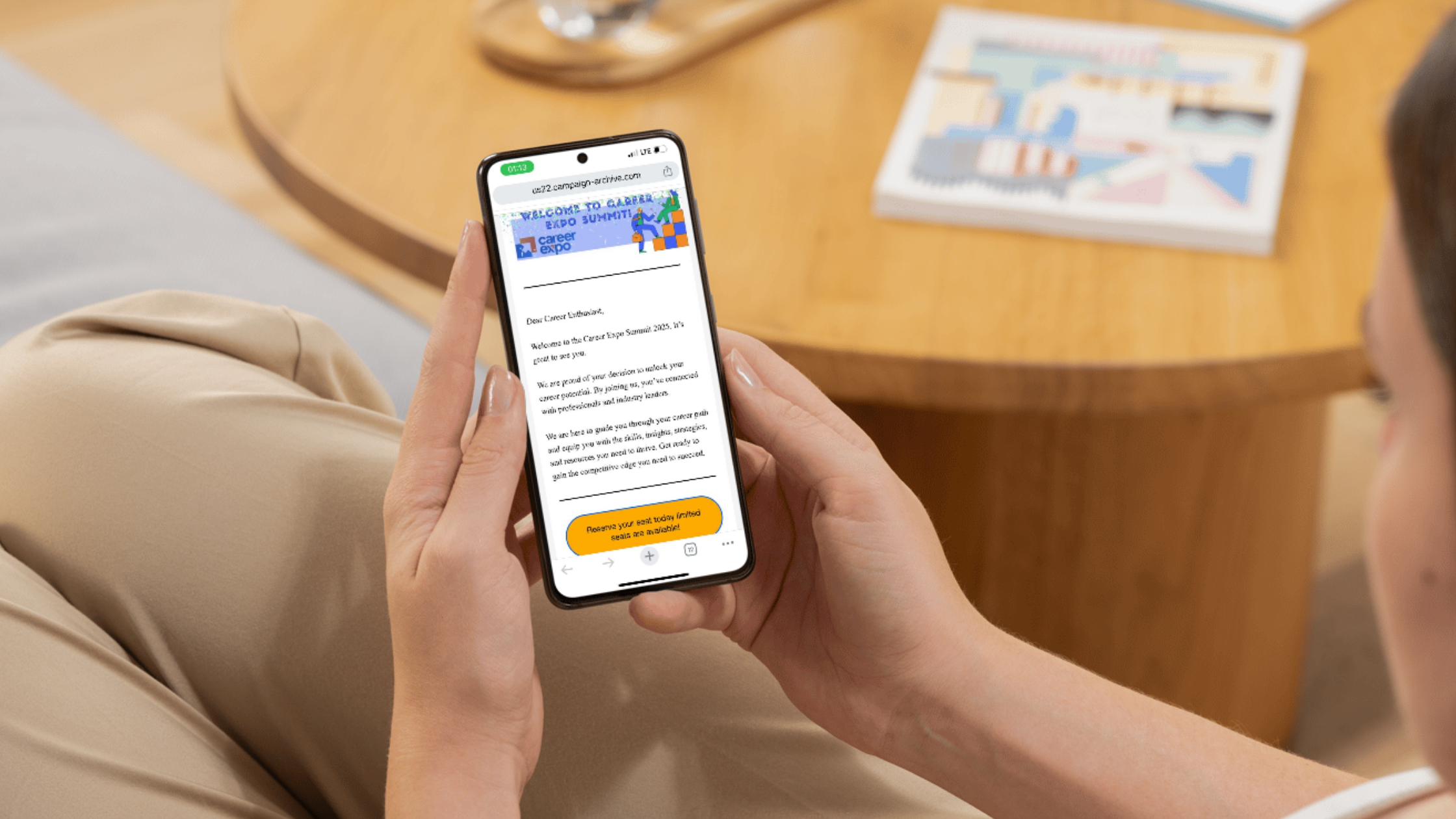
Creating an effective marketing email requires thoughtful planning and design. Here’s how to do it:
Each email should have a clear purpose. Are you announcing a new product, promoting a sale, sharing company news, or educating your audience? Having a goal helps you focus your content.
Segment your list to send relevant messages. For instance, a Ghanaian B2B company might send product specs to decision-makers, while a B2C retailer might offer discounts to loyal customers.
The subject line is the first part of your email that grabs the recipient’s attention. Consider including the recipient’s name or location. Examples:
“Exclusive 20% Off Just for You!” & “How Our Software Helped a Ghanaian Business Save Time and Money”
Use the recipient’s name and tailor the message based on their preferences or past interactions. Personalized emails often lead to higher engagement.
Keep your message straightforward. Enhance the readability of your emails by using short paragraphs, visual elements, and lists.
Tell readers what to do next— “Shop Now,” “Book a Demo,” or “Learn More.” Make CTAs bold, visible, and clickable.
Over half of all email opens happen on mobile. Use responsive design, large fonts, and fast-loading images.
Marketing to businesses demands a professional, value-oriented strategy. Here are B2B-specific tips:
Example: A Ghanaian software company could email prospects a case study showing how their solution improved operational efficiency for a peer business.
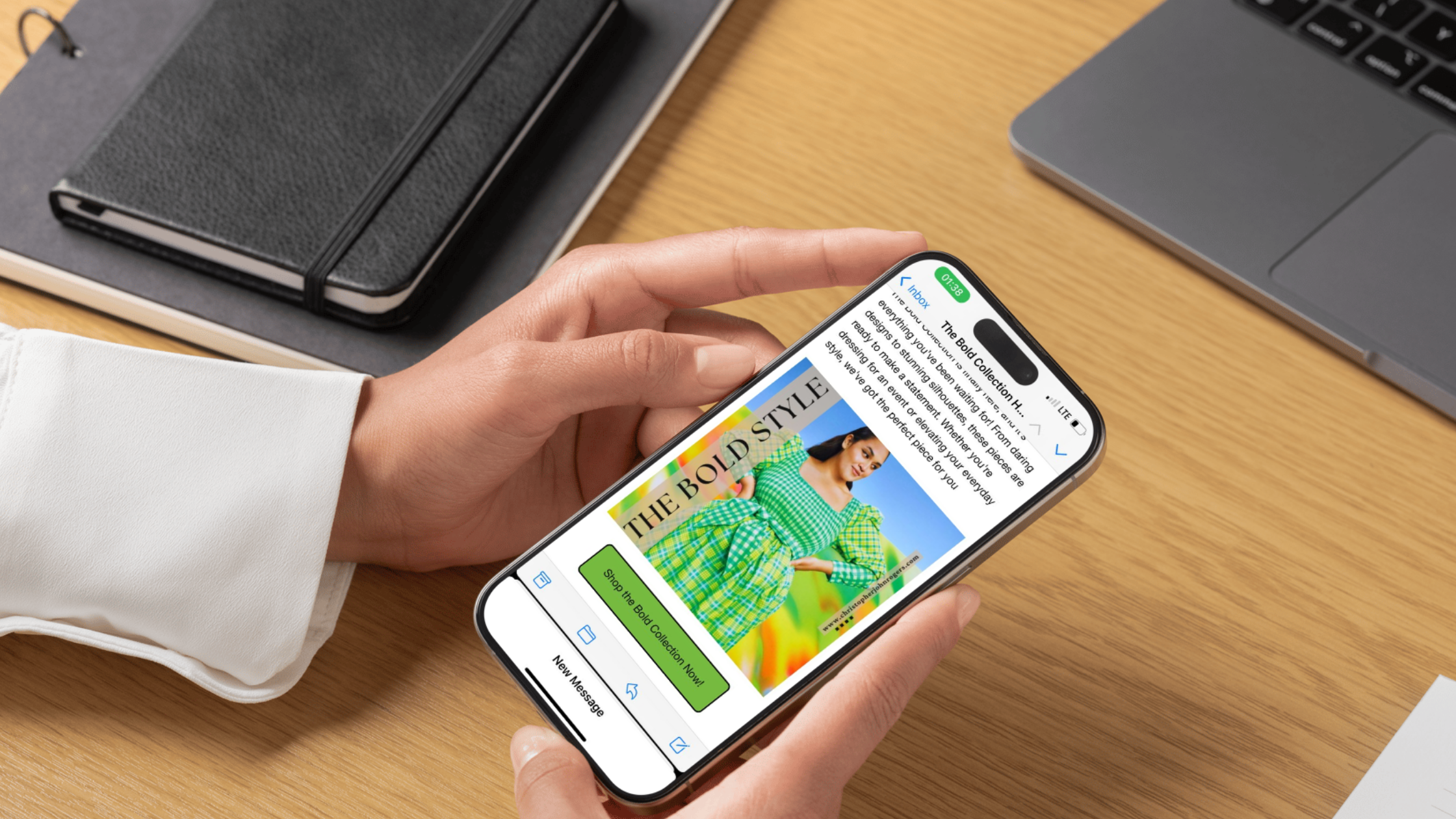
To sell products via email, you need to build trust and guide buyers through their journey:
Example: A Ghanaian fashion brand could send a newsletter with new arrivals, a 48-hour discount, and a prominent “Shop Now” button.

Email isn’t just for sales—it’s also a powerful tool for brand building and engagement. You can:
This broader strategy builds loyalty and keeps your audience engaged.
There are several user-friendly platforms to help you design, send, and track email campaigns. Here are some top options:
These tools also offer analytics dashboards to monitor open rates, click-throughs, and conversions.
Avoid these common pitfalls to improve your results:
Learning how to market through email is essential for small businesses and marketers in Ghana who want to build long-term customer relationships and drive revenue.
By defining your goals, segmenting your audience, crafting mobile-friendly emails, and using the right tools, you can create campaigns that deliver real value. Avoid common mistakes by testing, optimizing, and staying consistent.
Whether you’re targeting businesses or consumers, email marketing remains one of the most cost-effective and powerful tools available. If handling your email marketing feels overwhelming, consider seeking support from professionals who understand your local market and can guide your strategy for success. Email marketing is just one way to shape consumer behavior and engage with your audience. If you’re curious about the bigger picture of how digital marketing influences consumer behavior, check out our post on how digital marketing shapes consumer behavior in Ghana.